
Operating System Guides
Linux Operating Systems Across Every Device
Linux operating systems adapt to environments with radically different constraints. Distribution lifecycle, user experience, hardware drivers, security, update model, and recovery should fit the device and the people operating it.
Distribution Selection
Top Linux Distros for Servers, Cloud, Desktop, and Edge
Compare top Linux distributions by support lifecycle, package model, security, cloud availability, desktop experience, and edge suitability.
Explore guide
Personal Computing
Linux Desktop Platforms for Work and Development
Choose a Linux desktop distribution and environment for work, development, creative tools, gaming, hardware support, privacy, and backups.
Explore guide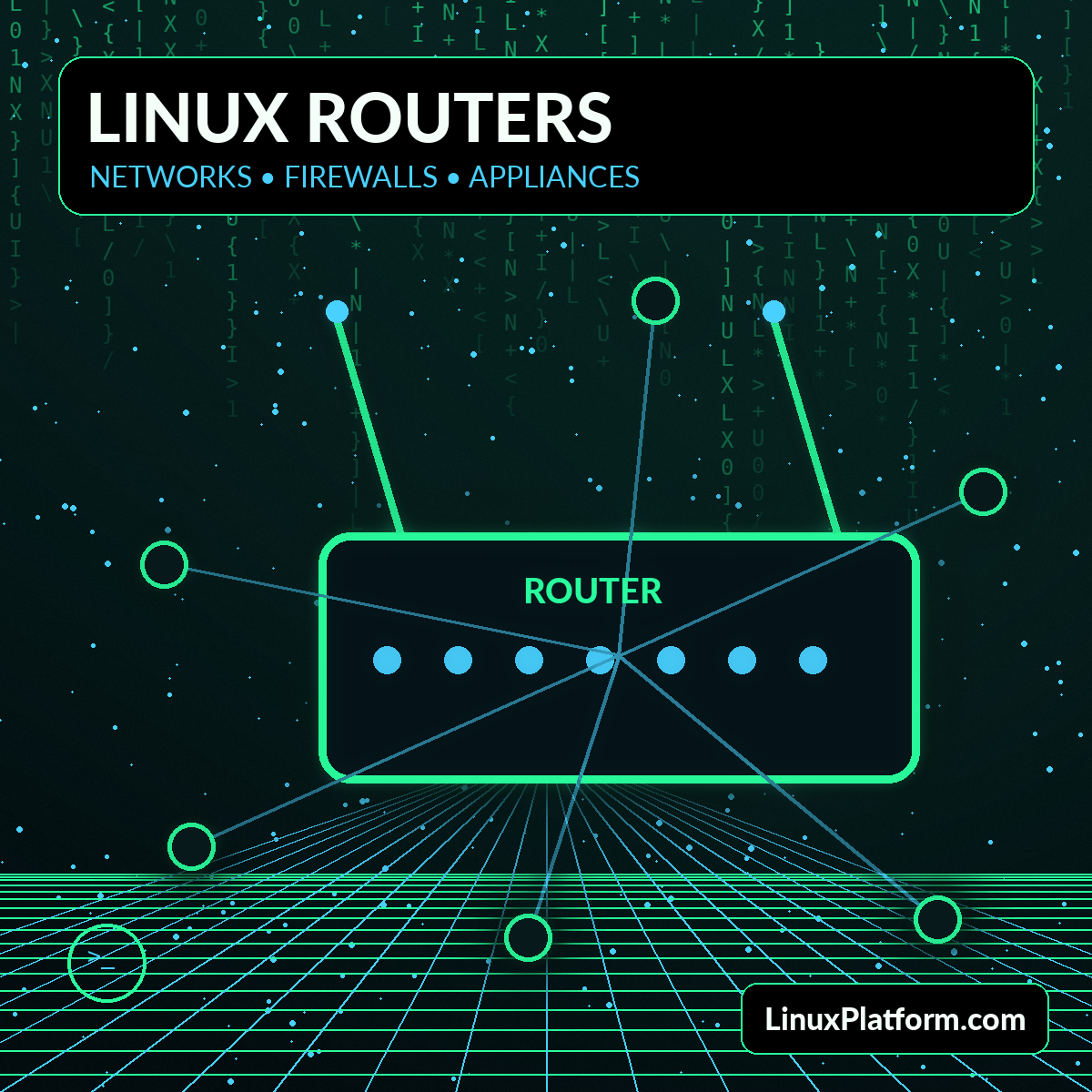
Network Platforms
Linux on Routers, Firewalls, and Network Appliances
Build Linux routers and network appliances with reliable hardware, firewall policy, routing, VPNs, monitoring, secure updates, and rollback.
Explore guide
Edge and Device Platforms
Linux on Embedded Hardware and Edge Devices
Design embedded Linux for edge hardware with Buildroot or Yocto, boot and kernel integration, secure identity, atomic updates, diagnostics, and manufacturing.
Explore guide
Linux Platform Architecture
Linux Platforms: From Cloud Servers to Embedded Devices
Explore Linux platforms across VPS hosting, dedicated servers, containers, cloud VMs, desktop systems, routers, and embedded hardware.
Explore guideArchitecture method
Choose by workload, boundary, and recovery.
Define the workload and data first. Identify which layer must provide isolation, where state lives, how the system is patched, and what a full restore requires. Then select the Linux platform that makes those operations repeatable.
01Define workload
02Select boundary
03Automate lifecycle
04Prove recovery
Linux hosting blog
Long-form platform research.
Use the blog to move from comparison to production-ready implementation.